Estimated read time: 8-9 minutes
MOVE BETTER
Your Posture Probably Doesn't Need Fixing.
What modern pain science taught me about slouching, "bad posture," and why your body probably needs more movement than perfection.
A quick note: I'm not a physical therapist, and this article isn't meant to diagnose or treat pain. It's my perspective as a personal trainer, yoga teacher, and movement coach who's passionate about translating modern pain science into practical, everyday language.
“Your body probably doesn’t need perfect posture.
It needs more movement... and more variety.”
For years, I thought I had terrible posture.
Maybe you have too.
Stand up straight.
Shoulders back.
Don't slouch.
Don't cross your legs.
Don't look down at your phone.
Fix your anterior pelvic tilt.
Engage your core.
Tuck your ribs.
Pull your chin back.
At one point I felt like simply existing required a checklist.
I wasn't trying to become stronger.
I was trying not to be "wrong."
The funny thing?
I wasn't even in pain.
I just believed that if I didn't constantly correct myself, one day I'd wake up broken or a hunchback.
Then I started studying movement.
Not just yoga.
Not just personal training.
Pain science.
Neuroscience.
Mobility.
Biomechanics.
And suddenly I realized how much had changed since I first became a yoga teacher.
And what I learned completely changed how I think about the human body.
There probably isn't one "perfect" posture.
I know.
That sounds almost rebellious.
For decades we've been taught there's one ideal way to stand.
One ideal way to sit.
One ideal way to bend over.
One ideal way to pick something up.
But humans aren't machines.
We're living organisms.
Machines work best with precision.
Humans work best with adaptability.
That one idea changed everything for me.
Think about a toddler.
Toddlers don't worry about posture.
They squat.
Roll.
Reach.
Twist.
Sit on the floor.
Stand.
Run.
Fall down.
Get back up.
They're constantly changing positions.
Now think about most adults.
We wake up.
Drive.
Sit.
Work.
Drive.
Sit on the couch.
Go to bed.
Our bodies aren't necessarily struggling because they sat "wrong."
They're often struggling because they've barely changed positions all day.
Sometimes the problem isn't the posture.
It's how long we've stayed there.
Your body is incredibly adaptable.
One of the coolest things about the human body is that it responds to what we ask it to do.
If you spend years gardening...
Your body adapts.
If you become a runner...
It adapts.
If you lift weights...
It adapts.
If you sit at a computer all day...
It adapts to that too.
That's actually good news.
Because it means your body isn't fragile.
It's constantly responding to the demands you place on it.
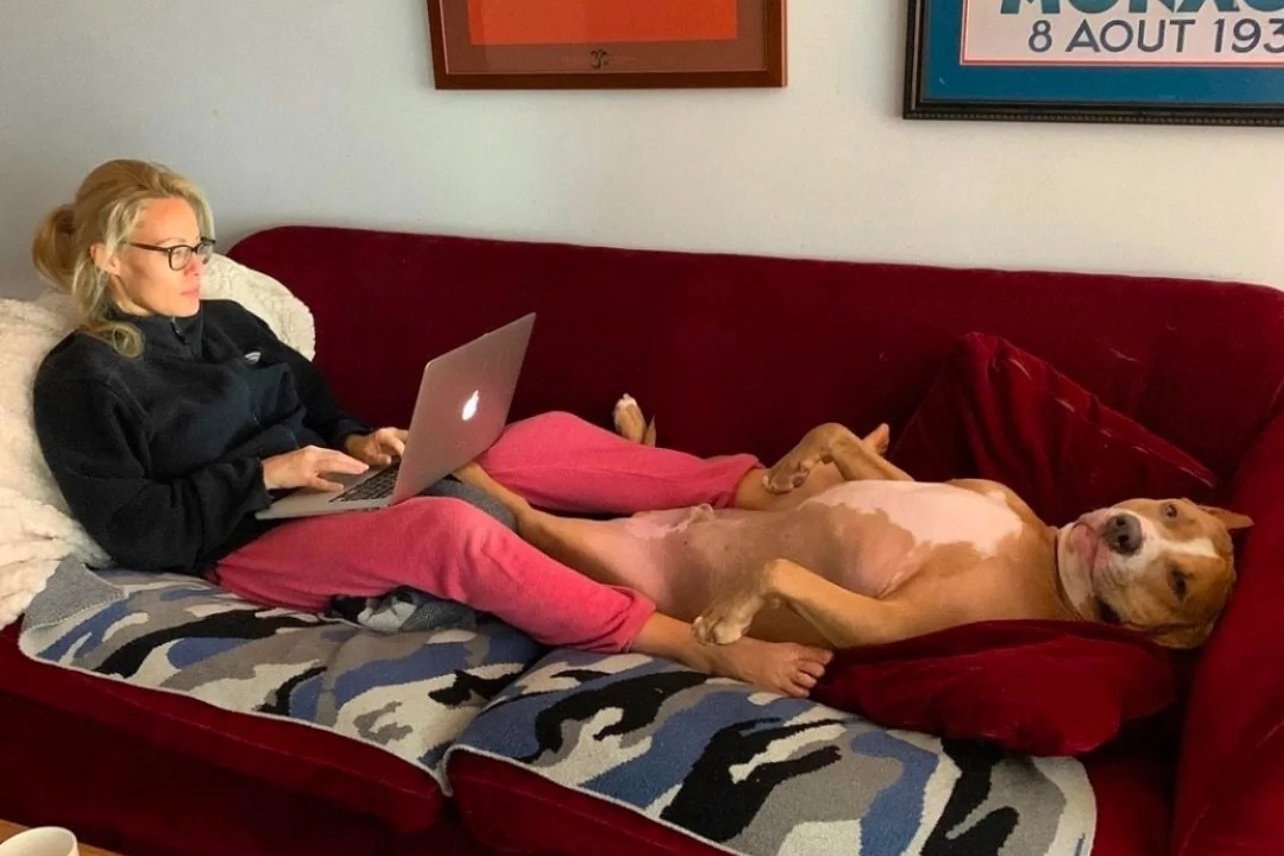
"But my neck hurts when I sit..."
Mine does too. 😂
In fact, as I'm writing this...see photo above
My neck is talking to me.
Not because this exact position is automatically "bad."
More likely because I've been sitting here for quite a while.
Sometimes the answer isn't another stretch.
Sometimes it isn't another massage.
Sometimes it's strength.
Sometimes it's better sleep.
Sometimes it's walking around the block.
Sometimes it's simply getting out of the position you've been in for the last three hours.
Giving your brain and body something different to experience.
MOVEMENT IS OFTEN THE RESET BUTTON.
WAIT...So posture doesn't matter?
Not exactly.
Context matters.
If you're lifting something heavy...
Technique matters.
If you're training for a specific sport...
Technique matters.
If one particular position consistently increases your symptoms...
That's useful information too.
But that's very different from believing there's one perfect posture you're supposed to hold for eight hours a day.
Your body wasn't designed to freeze.
It was designed to move.
Pain is more complicated than we once thought.
One of the biggest things I've learned studying pain science is this:
Pain isn't determined by just one thing.
That's one of the reasons pain can feel so confusing—and why quick fixes rarely last.
It's influenced by many factors.
Movement.
Previous injuries.
Stress.
Sleep.
Nutrition.
Fear.
Confidence.
Past experiences.
Your nervous system.
Even your mood.
That doesn't mean pain is "all in your head."
It means your brain and nervous system are constantly interpreting information from your body and deciding how much protection you might need in that moment.
Sometimes that protection is helpful.
Sometimes it becomes a little overprotective.
That's one of the reasons two people can have the exact same MRI and feel completely different—or why someone can have pain without a major injury, while someone else has significant changes on an X-ray and feels perfectly fine.
The human body is wonderfully complex.
My goal isn't to fix your posture.
It's to give your body more choices.
Can your shoulders comfortably reach overhead?
Can you rotate to look behind you?
Can you squat to pick something up?
Can you get down to the floor?
Can you get back up?
Can you carry groceries?
Can you play with your kids or grandkids?
Can you travel without feeling stiff every time you stand up?
Those questions matter a whole lot more to me than whether your ears line up perfectly over your shoulders.
Because life doesn't happen standing perfectly still.
Life happens while moving.
A quick note...
I'm not a physical therapist.
I don't diagnose pain or injuries.
If you're experiencing severe pain, numbness, unexplained weakness, recent trauma, or symptoms that concern you, I want you working with the appropriate healthcare professional.
What I do help people do is build strength.
Improve mobility.
Move with more confidence.
Reduce fear around movement.
And create bodies that are more adaptable to everyday life.
So what do I want you to do today?
Not stand up straighter.
Not spend the next eight hours worrying about whether you're slouching.
Instead...
Change positions.
Stand up.
Sit on the floor.
Reach overhead.
Walk around the block.
Carry something.
Twist.
Hang from a playground bar if you happen to walk past one.
Give your body another option.
Because your body probably doesn't need perfect posture.
It probably just needs more movement. More variety. More choices.
Ready to move with more confidence—not fear?
Whether it's private coaching, a movement workshop, or one of my classes, my goal isn't to help you chase perfect posture.
It's to help you build a body that supports the life you want to live.
If You're Curious...
One of my favorite things about this work is that I'm constantly learning.
I'm a lifelong student.
Everything I teach has been shaped by years of continuing education in movement, pain science, exercise physiology, yoga, neuroscience, and strength training. As our understanding of the body evolves, I believe my teaching should evolve too.
The educators below have profoundly influenced how I think about movement, pain, and helping people feel more at home in their bodies.
SOME OF MY FAVORITE RESOURCES INCLUDE:
Dr. Greg Lehman – Physiotherapist, chiropractor, researcher, and educator on pain science and movement. Reconciling Biomechanics with Pain Science.
Dr. Lorimer Moseley – Neuroscientist and internationally recognized pain researcher.
Dr. David Butler – Co-author of Explain Pain.
Todd Hargrove – Author of A Guide to Better Movement and educator on movement and pain.
Jenni Rawlings – Yoga educator whose work bridges modern movement science and yoga.
BOOKS I RECOMMENDED READING:
Explain Pain by David Butler & Lorimer Moseley
A Guide to Better Movement by Todd Hargrove
WATCH:
Why Things Hurt – TEDx Talk by Dr. Lorimer Moseley (Video)
Ready to Move Better?
Reading about movement is a great place to start.
Actually experiencing it is even better.
Whether you're dealing with stiffness, aches, or simply want to feel stronger and move with more confidence, I'd love to help.